What Is Natural Soap? A Beginner’s Guide
Natural skincare has become increasingly popular, and with it, a growing interest in natural soap. But what exactly is natural soap—and how is it different from the brightly colored, heavily scented bars you might find on store shelves? This beginner’s guide breaks down what natural soap is, how it’s made, and why so many people are switching to it.
What Does “Natural Soap” Mean?
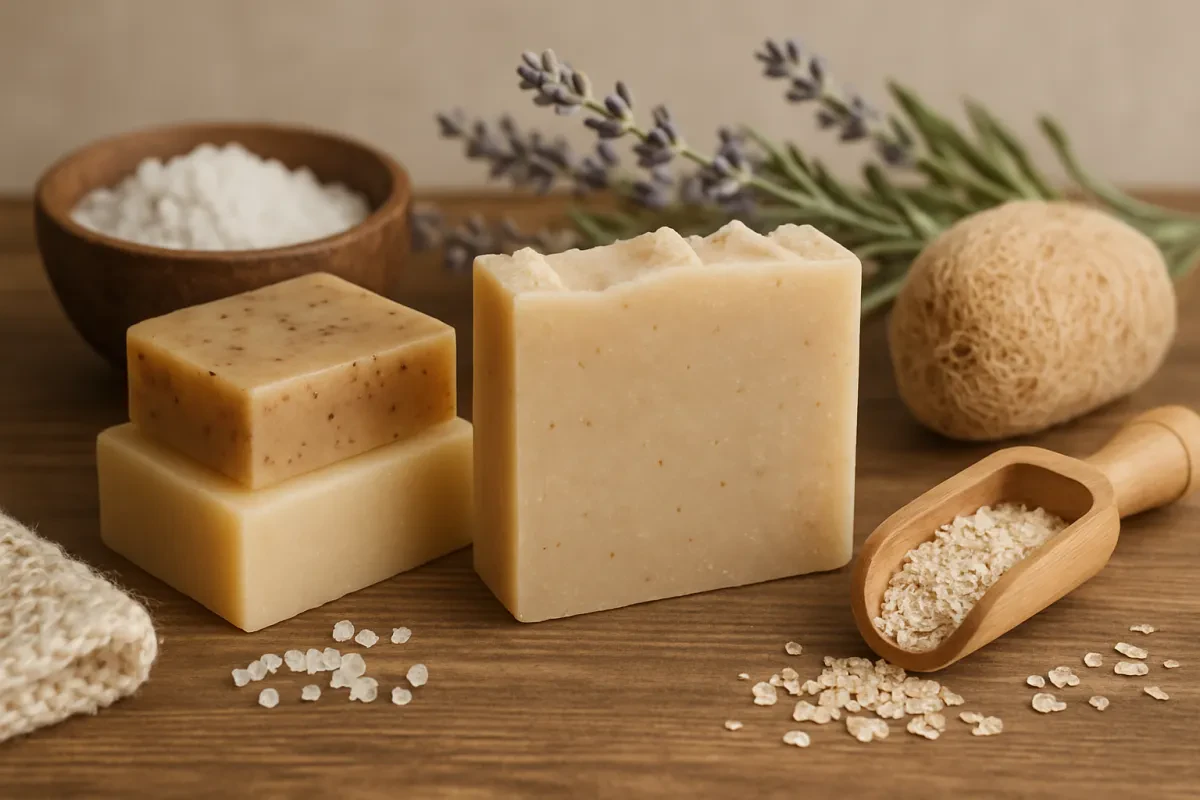
Natural soap is typically defined as soap made from plant-based oils, butters, natural colorants, and essential oils—without synthetic detergents, harsh chemicals, or artificial additives.
In other words, natural soap uses ingredients that come from nature, not a lab.
At its core, all true soap is created through a chemical reaction called saponification, where oils combine with an alkaline solution (usually sodium hydroxide, also known as lye) to form soap. Even natural soap uses lye—but the final product contains no lye, because it’s fully consumed during the reaction.
How Natural Soap Is Made
1. Oils & Butters
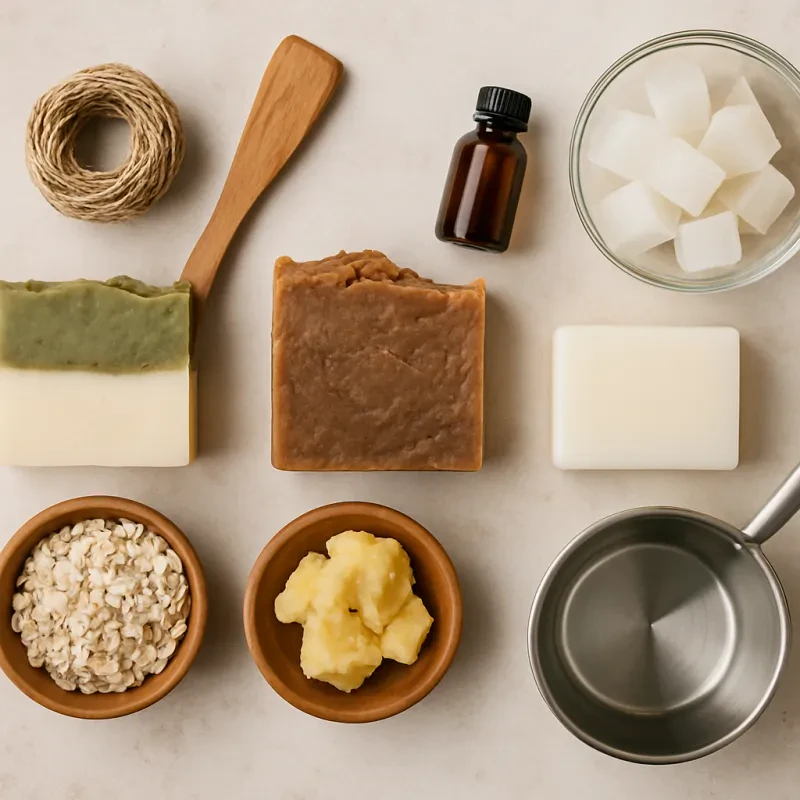
Natural soap typically uses nourishing plant oils such as:
-
Olive oil
-
Coconut oil
-
Shea butter
-
Cocoa butter
-
Avocado oil
Each oil affects the soap differently—some add hardness, others create a rich lather, and some offer extra skin conditioning.
2. Lye (Sodium Hydroxide)
Lye is essential for saponification. Without it, you can’t make real soap. When properly formulated, none remains in the finished bar.
3. Natural Additives
Instead of artificial dyes and fragrance oils, natural soaps often include:
-
Botanicals: dried lavender, calendula, or rose petals
-
Clays: kaolin, French green clay
-
Herbs & spices: turmeric, spirulina, activated charcoal
-
Essential oils: lavender, tea tree, peppermint
These ingredients give natural soap its color, scent, and beneficial properties.
Why Choose Natural Soap?
1. Gentler on the Skin
Natural soap retains the glycerin produced during saponification—something many commercial soaps remove to use in lotions. Glycerin is a natural humectant, helping your skin stay moisturized.
2. Free of Harsh Detergents
Commercial “soap” is often technically a synthetic detergent bar. These can include:
-
Sulfates
-
Artificial fragrances
-
Chemical preservatives
While not inherently harmful, they can irritate sensitive skin. Natural soap avoids these ingredients.
3. Environmentally Friendly
Natural soap typically:
-
Uses biodegradable ingredients
-
Requires minimal packaging
-
Avoids petroleum-derived additives
For eco-conscious consumers, this is a major bonus.
Is Natural Soap Better for Everyone?
Not necessarily. Some people may prefer fragrance-free or hypoallergenic options, especially if they react to essential oils or botanicals. Natural doesn’t always mean mild—but when formulated well, natural soap is often gentler and cleaner than its commercial counterparts.
How to Identify True Natural Soap
With “natural” being a loosely regulated term, it's important to check labels. Look for:
-
Simple, recognizable ingredients (oils, butters, botanicals)
-
Essential oils instead of synthetic fragrances
-
Colorants from clays, herbs, or plants
-
No detergents like SLS or SLES
-
The phrase “saponified oils of…” indicating real soap
If the ingredient list looks like a chemistry textbook, it’s probably not natural soap.
The Bottom Line
Natural soap is a return to traditional soapmaking—using plant-based ingredients, natural scents, and the science of saponification to create a gentle, eco-friendly cleanser. Whether you're looking for healthier skincare, avoiding synthetic additives, or exploring DIY soapmaking, natural soap is a simple, effective, and beautiful alternative to commercial bars.